

TxDOT asphalt testing adopted as national standard marks a major milestone in pavement innovation, as a groundbreaking method developed in Texas is now set to improve road durability and performance across the United States. The new testing approach, created by the Texas Department of Transportation (TxDOT) and the University of Texas at Austin Center for Transportation Research, addresses critical gaps in asphalt binder evaluation—helping engineers better predict cracking, extend pavement life, and reduce long-term maintenance costs nationwide.
The method, developed by the Texas Department of Transportation (TxDOT) and the University of Texas at Austin Center for Transportation Research, fills missing gaps in testing for asphalt binder.
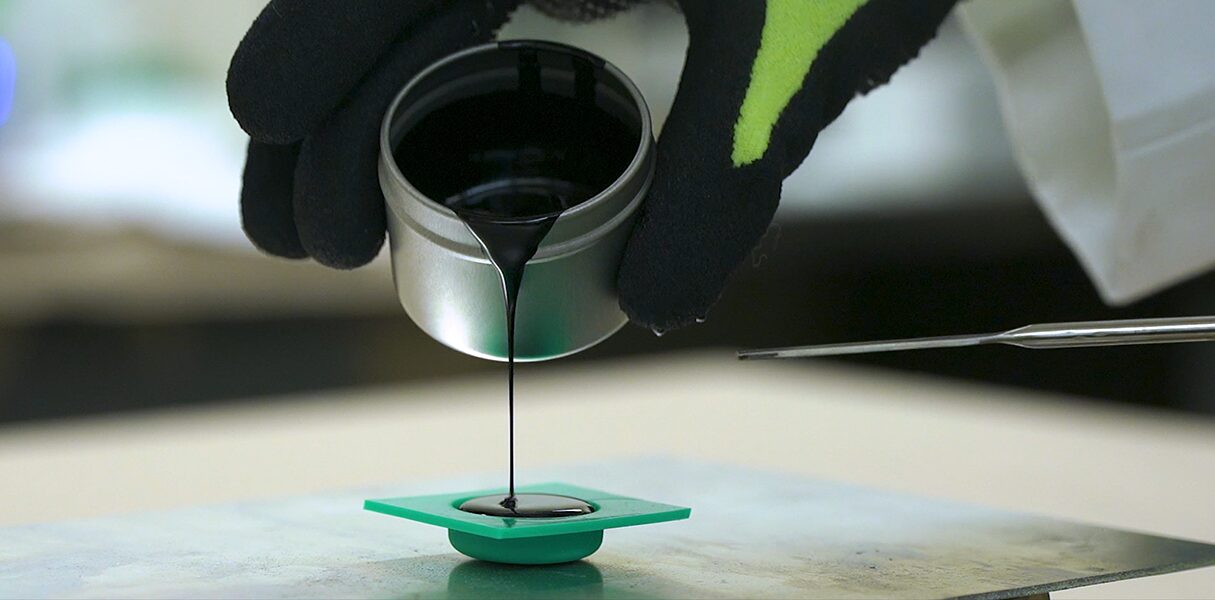
The test, called the “poker chip method,” models the stress that asphalt endures on a roadway to check for cracking in the material. A sample of asphalt binder in the shape and size of a poker chip is sandwiched between two plates and then pulled until the sample cracks or fails.
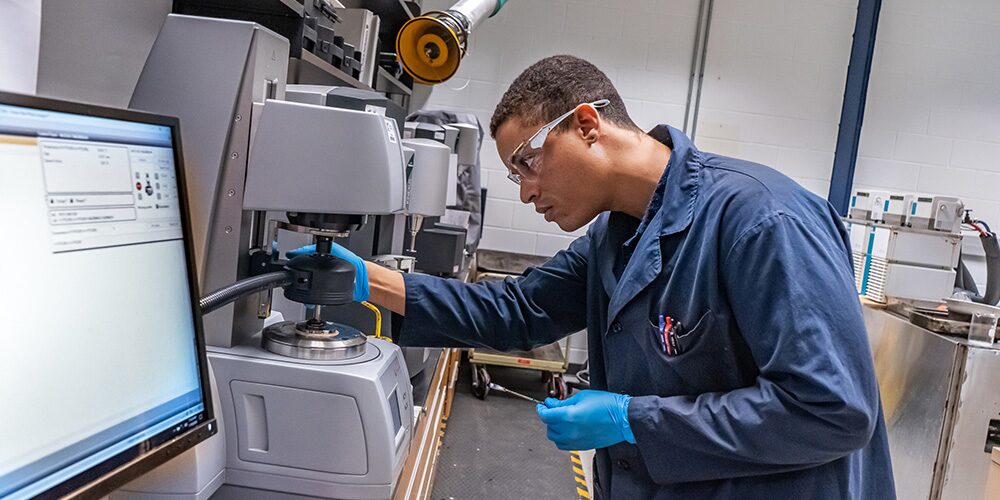
The method has been in development and refinement since 2016. Zahra SotoodehNia, an engineer in TxDOT’s Materials and Tests Division, was a researcher at CTR during the implementation stages of the project.
“The previous testing methods were developed over 30 years ago, and they simply don’t account for the wide range of modifiers used in today’s asphalt binders,” SotoodehNia said. “The poker chip test is highly sensitive to both the type and quality of these modifiers. That means it can better predict how long a pavement will last and how well it will resist cracking over time. Ultimately, it helps us build roads that are more durable and require less maintenance.”
Asphalt binder is one of the components used to produce hot asphalt mix and seal coats – which is used in large amounts to pave and maintain the more than 200,000 miles of TxDOT roads across the state. By improving the quality of the binder, the pavement will last longer and be less expensive to maintain over time.
“When you drive on asphalt roads, asphalt binder is quite literally the glue that’s holding these roads together,” said Amit Bhasin, CTR Director and lead researcher on the project. “That inherent ability of the binder to resist cracking is what dictates the serviceable life of an asphalt pavement.”
The method has been adopted by the American Association of State Highway and Transportation Officials (AASHTO) as the provisional standard test method to be used nationwide. TxDOT plans to specify this test in the upcoming year and will use it to check the quality of asphalt binders both before and after they are shipped to projects.
“That’s a major milestone for us and it shows that Texas is leading the way in innovation and that the other 49 states see the value in this approach,” SotoodehNia said. “We hope that with AASHTO’s endorsement, we see more states adopting this method which, could elevate pavement performance nationwide.”
Summary:
A newly approved asphalt testing method developed by the Texas Department of Transportation (TxDOT) and researchers at the University of Texas at Austin is now being adopted as a national standard, signaling a major advancement in roadway durability. Known as the “poker chip method,” the test more accurately measures how asphalt binder resists cracking under real-world roadway stress—addressing limitations in decades-old testing procedures that no longer reflect modern materials.
With endorsement from the American Association of State Highway and Transportation Officials (AASHTO), the method is expected to improve pavement performance, extend road lifespan, and reduce long-term maintenance costs across the country. For transportation agencies, engineers, and policymakers, this development represents a significant step forward in infrastructure quality and innovation, positioning Texas as a national leader in pavement research and standards modernization.
Source: TxDOT.gov