

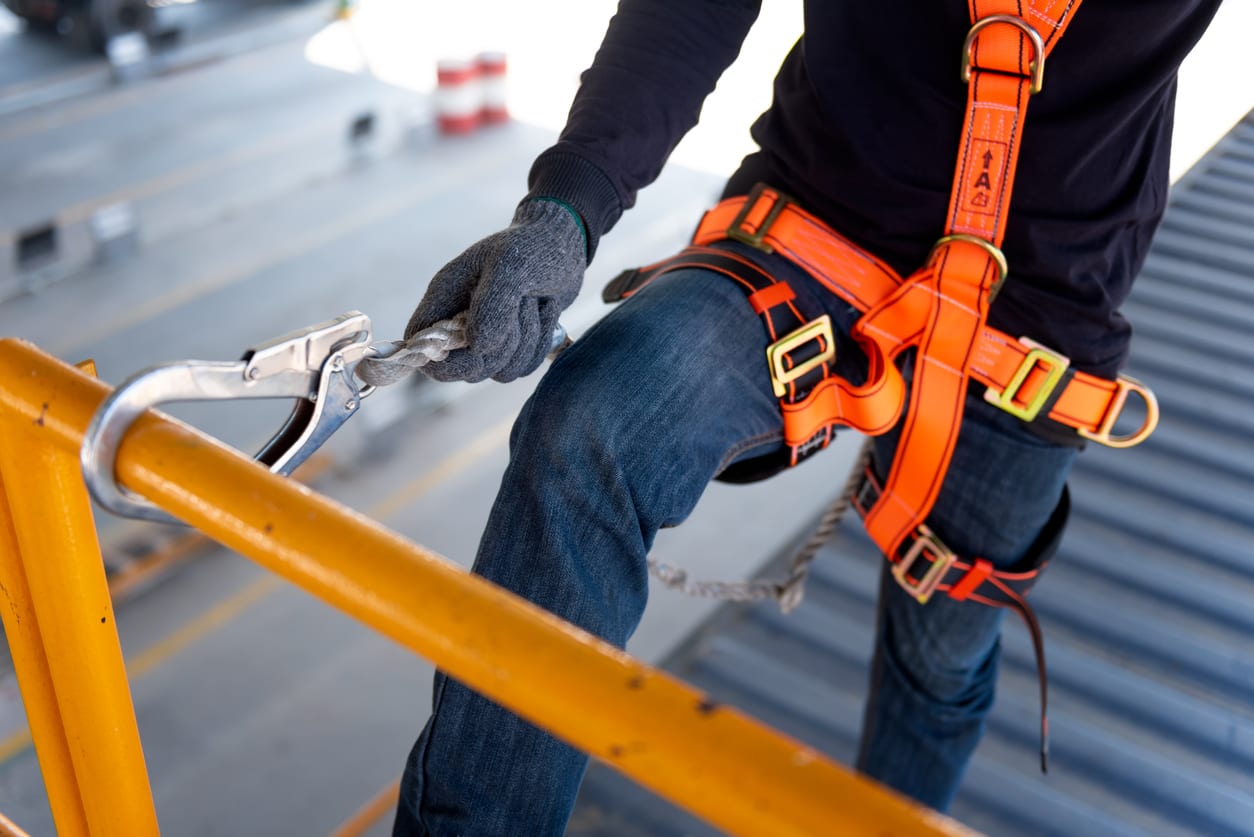
Regardless of the type of construction you perform, OSHA essentially requires that a safety program be developed and taught to any employee or crew member. Having a safety program written for and taught to employees should be standard practice for commercial contractors. Unfortunately, not having a safety program that is compliant with OSHA standards in place if an inspection is done can have serious consequences.
Creating an OSHA-compliant safety program doesn’t have to be an extremely tedious, time-intensive undertaking. In fact, OSHA has many resources directly on their website on how to create a safety program for a variety of different industries. You may even be lucky enough to find a sample safety program which you can use as a template for creating your own.
As a contractor and the owner of your company, it can’t be stressed enough that your personal knowledge of OSHA safety requirements will be a key factor in designing a safety program. The ever-popular OSHA 30-Hour Training Course is highly recommend for contractors, including company owners as well as any supervisors or managers. While the 10-Hour Training Course is useful for crew members, the 30-Hour Course should really be considered mandatory for anyone managing a construction site.
It is also worth mentioning that if you are in more of a management position and do not actually perform contract work on jobsites, it may be worthwhile to invest in training for a dedicated safety supervisor employee.
FOUNDATION OF DEVELOPING A SAFETY PROGRAM
The exact type of safety program you create will have a lot to do with your personal business and the type of contracting work you do. For example, a contractor that installs siding likely won’t have as greater concern over safety at heights like a roofing contractor. Similarly, the materials you work with can also have an effect on safety. Anything considered hazardous in nature will need much more stringent and specific safety rules in place.
With that being said, here is a rundown of the basics needed for a safety program.
- Thoroughly Analyze Your Worksite for Hazards
The very first thing you should do is analyze your worksite, or an example of a typical worksite, for any potential hazards that can be found. This includes risks of falling, electric shock, dangerous use of chemicals, injury from power tools and more. Essentially, if something could harm a worker it needs to be addressed and its prevention be taught to anyone on the worksite. The OSHA 30-Hour Course will address essentially any hazard you could think of. - Write a Company Safety Policy
Once hazards have been discovered it is time to write an official company safety policy. This should be a detailed document that not only covers all basic worker safety as explained by OSHA, but also specific hazards found on your worksites and how to avoid them. This policy should be reviewed with every employee when they begin working for your company. - Develop a List of Work Rules and Safety Practice
It is also recommended that, aside from your company safety policy, you also provide a smaller document that lists worksite safety rules and practices. It is ideal to provide a handbook for crew members to keep and review. This document doesn’t need to go into as much detail as the official safety policy. - Train and Maintain Employee Safety Knowledge
Employee training is the key to reducing the chances of injury and should involve training for both OSHA safety standards, as well as any specific training required for your particular company. If it is within budget it is an exceptional idea to send employees to OSHA training courses, but at minimum any employees that perform as managers should get certified.
You should also take the time to ensure your employees are knowledgeable about your specific field of work. For example, if you’re a roofer that specializes in installing a specific type of architectural shingle from a manufacturer, any new employees should go through a brief training process provided by yourself to ensure they understand the basics.
- Continue with Safety Education as Changes to OSHA are Made
It goes without saying that on a semi-annual basis your safety program should be reviewed to ensure all safety protocols are still effective. OSHA doesn’t often make serious changes to safety standards, but it isn’t worth the risk either way.
The right safety program will keep you and your workers safer while ensuring that in the event of an inspection, your business will not be in danger.